

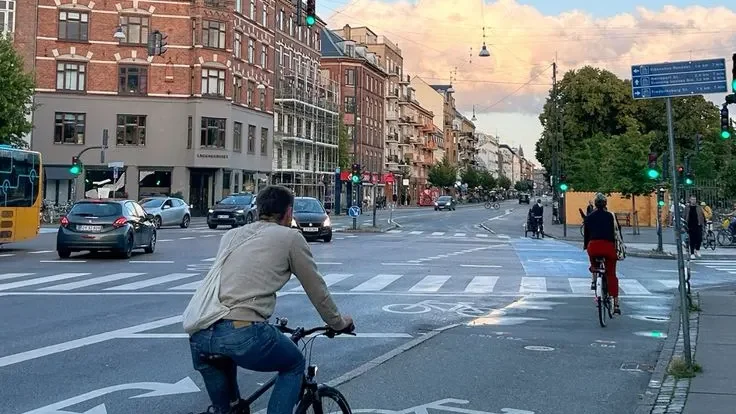

Today, mobility occupies a central place in urban transport planning. More and more cities around the world are turning towards infrastructure adapted for cyclists. Whether to reduce CO2 emissions, improve quality of life, or encourage a healthier lifestyle, bike lanes have become an important criterion for determining if a city is truly bicycle-friendly. Among the cities with the most bike lanes, some particularly stand out due to the scale and quality of their networks, making cycling easier for both residents and visitors. In this article, we will explore the cities that distinguish themselves through their efforts to promote soft mobility.
The importance of bike lanes in modern cities
Bike lanes are not just an aesthetic addition to urban infrastructure. They play a key role in promoting mobility. With growing environmental concerns and a desire to reduce car dependence, many cities are investing in these safe pathways. Among the cities with the most bike lanes, some stand out by the scope of their developments, offering cyclists safer and more practical routes. Not only do they allow cyclists to move safely, but they also encourage more people to abandon their cars in favor of cycling, a eco-friendly and health-beneficial mode of transport.

From an environmental perspective, cycling helps reduce greenhouse gas emissions. According to several studies, if a person chooses to cycle instead of driving for an 8-kilometer daily trip, it can prevent the emission of about 700 kg of CO2 per year. Bike lanes, by separating cyclists from motor traffic, also reduce the risk of accidents, making trips safer for bicycle users.
The Top 5 Cities with the Most Bike Lanes:
1. Copenhagen, the cyclist’s paradise
When discussing bicycle-friendly cities, it’s impossible not to mention Copenhagen, often cited as the most cyclist-friendly city in the world. The Danish capital boasts an impressive network of bike lanes stretching over 390 kilometers, providing smooth and safe mobility for those who enjoy cycling or use it as their main mode of transport.
Copenhagen has established a true cycling culture, with infrastructure specifically designed for cyclists, such as dedicated bridges, tailored traffic lights, and even parking zones reserved for bicycles. More than 62% of the population uses bikes daily to get to work or school.
2. Amsterdam, the city of a thousand bikes
Amsterdam is also an iconic city when it comes to mobility and bike lanes. With a network that exceeds 500 kilometers and 880,000 bicycles, the capital of the Netherlands has long been a model of a city where bicycles reign supreme. Just like in Copenhagen, cyclists have priority, and drivers are particularly respectful towards them, often stopping to give them the right of way.
In Amsterdam, the lanes are wide, well-maintained, and often separated from traffic. The city also offers many options for tourists eager to explore the city by bike. Rental bikes are available on every corner, and cycling routes allow visitors to see the most beautiful places without ever worrying about car traffic.
3. Berlin, a metropolis in transition
Although Berlin is not yet as famous as Copenhagen or Amsterdam in terms of mobility, the German capital has made great strides in recent years. With an expanding network of 1,000 kilometers of bike lanes, Berlin is making great progress towards becoming a more bicycle-friendly city.

The city has recently launched several initiatives to reduce car use in favor of cycling. Low-emission zones, secure bike parking, and newly created lanes make cycling more attractive to residents. The city also encourages bike-sharing, allowing everyone to enjoy the benefits of cycling without needing to own a bike.
4. Strasbourg, the French reference
In France, Strasbourg stands out as the reference for mobility and bike lanes. With more than 600 kilometers of bike paths, Strasbourg is at the top of French cities where cycling is not only encouraged but also facilitated.
Strasbourg also offers a bike-sharing network called Vélhop, making cycling even more accessible for residents and tourists. The city also encourages motorists to respect cyclists by reinforcing road safety rules and promoting policies that encourage citizens to use more eco-friendly transportation modes.
5. Seoul, an emerging Asian model
Although European cities often dominate rankings of the most bicycle-friendly cities, some Asian metropolises like Seoul are catching up. Seoul has undertaken an impressive transformation of its bike lane network to encourage cycling. With more than 900 kilometers of lanes, the city is heavily investing in this infrastructure to meet the growing demand from cyclists.
The city has also implemented a very popular bike-sharing system, the Seoul Bike Ddareungi, which allows thousands of residents to easily get around by bike each day.
To summarize
Cities that invest in bike lanes and encourage cycling are not just making their streets safer. They are also building healthier, more environmentally-friendly environments where quality of life is significantly improved. Whether in Copenhagen, Amsterdam, Strasbourg, or Seoul, cycling is increasingly seen as a solution to urban congestion, pollution, and sedentary lifestyles.
Cities that promote cycling are also those that look towards the future, anticipating growing needs for sustainable mobility. Bike lanes are not just a passing trend but a long-term investment for a greener and healthier future.
Cycling allows us to discover the city at our own pace, explore new horizons, and feel that precious freedom of movement. Similarly, freelancing offers the opportunity to choose our projects and manage our schedules, reinforcing this sense of freedom in our professional lives. And you, what do you think? Leave us your thoughts in the comments!